Your Top Rated Annapolis Roofer

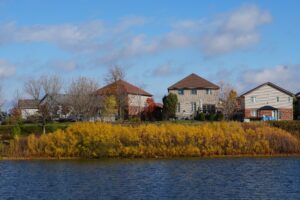
Autumn in Annapolis is breathtaking. Between the vibrant golden foliage along the Severn River and crisp afternoon strolls down Main Street, fall is easily one of the best seasons to live in Anne Arundel County. But while you’re enjoying the autumn weather, your roof is preparing for a serious seasonal transition.
Across the Chesapeake region, fall brings specific environmental challenges—chief among them the dense canopy of native trees like red maples, white oaks, and sweetgums shedding heavy leaves, seed pods, and pine needles. Left unchecked, this natural debris traps moisture against your shingles, leading to moss growth, structural rot, and premature roof failure just as cold winter weather moves in.
To protect your home and avoid costly emergency repairs, use this 9-step fall maintenance checklist from the top rated Annapolis roofer.
1. Clear Debris from Roof Valleys and Crickets
When oak and maple trees drop their leaves, debris naturally collects in the lower points of your roof line. Roof valleys (where two roof slopes meet) and crickets (the small diversion roofs built behind chimneys) are designed to channel water away from your structure. When clogged with wet leaves, water backs up under the shingles, accelerating rot and causing leaks inside your home.
2. Clean and Secure Your Gutters and Downspouts
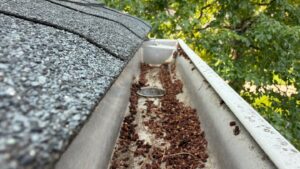
Gutter maintenance is critical in the Annapolis region. Oak leaves, maple samaras (“helicopter” seeds), and twigs can quickly choke your gutter system.
-
Clear the troughs: Ensure water can flow freely without overflowing.
-
Flush downspouts: Make sure drainage paths are clear all the way to the discharge point.
-
Check fastenings: Heavy autumn rain combined with waterlogged leaves adds immense weight, which can pull gutters away from the fascia board.
3. Inspect Flashing Around Chimneys, Skylights, and Vents
Flashing—the thin metal material installed to direct water away from critical areas—is your roof’s first line of defense against leaks. Because coastal Maryland experiences frequent temperature swings, flashing can expand, contract, and break its seals over time. Inspect the flashing around chimneys, dormers, skylights, and plumbing vents to ensure it remains tight and fully sealed.
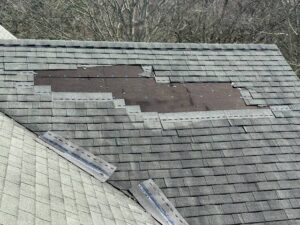
4. Check for Cracked, Damaged, or Missing Shingles
Late summer storms in the Chesapeake area can loosen or damage asphalt shingles. Look for:
-
Shingles that are curled, cracked, or missing entirely.
-
Loss of granules (which look like coarse dark sand in your gutters), indicating the shingle is nearing the end of its lifespan.
-
Loose shingles near the ridge caps where high winds hit hardest.
Replacing a few damaged shingles in the fall is a quick fix; waiting until a winter snowstorm hits can mean dealing with a major interior leak.
5. Prune Overhanging Tree Branches
The grand oak and maple trees surrounding homes in neighborhoods like West River, Arnold, and Downtown Annapolis add incredible curb appeal, but overhanging limbs pose two major risks:
-
Physical damage: Wind-driven branches scrape away protective shingle granules.
-
Pest and debris access: Branches act as highways for squirrels and raccoons looking for a warm attic to nest in over the winter, while continuously dropping leaves directly onto your roof.
Trim back any branches within 6 to 10 feet of your roofline before winter storms arrive.
6. Inspect Attic Insulation and Ventilation
Roof care isn’t just external; what happens inside your attic directly affects the life of your roof. Proper attic ventilation regulates temperature and moisture levels:
-
Prevent Ice Dams: Poorly insulated attics let heat escape into the roof structure, melting snow on the upper roof, which then freezes at the cold eaves to create heavy ice dams.
-
Control Moisture: Good airflow prevents trapped attic humidity from rotting the underside of your roof decking.
Ensure your attic vents (soffit, ridge, and gable) are clear of insulation or pest debris.
7. Inspect Rubber Boots and Pipe Collar Seals
Plumbing vent pipes stick out through your roof, protected by rubber boots or collars. Over time, Maryland’s humid summers and UV exposure cause these rubber seals to crack and degrade. A cracked pipe boot is one of the most common causes of unexpected ceiling leaks during heavy autumn rains.
8. Check for Moss, Algae, and Lichen Growth
Due to the humidity near the Chesapeake Bay and the heavy shade provided by local tree canopies, moss and lichen thrive on Annapolis roofs. Moss acts like a sponge, holding water against the shingle surface and causing edges to curl upward. If you notice green patches or dark streaks, have them professionally treated to prevent root structures from lifting your shingles.
9. Schedule a Professional Roof Inspection
While home checks are helpful, many subtle signs of roof damage aren’t visible from the ground. Climbing onto a roof—especially one slick with wet fallen leaves—presents a serious safety hazard. Partnering with a licensed local expert ensures a comprehensive inspection covering structural integrity, hidden moisture retention, and hard-to-see seal leaks.
Partner with Columbia Roofing: The Top Rated Annapolis Roofer
Preparing your home for fall shouldn’t be stressful. Whether your roof needs routine leaf cleanup, minor flashing repairs, or a full seasonal inspection, Columbia Roofing delivers expert local craftsmanship tailored to the unique climate of Anne Arundel County.
Contact Columbia Roofing to schedule a thorough roof evaluation and ensure your home stays protected through every season. We also offer FREE estimates through Roofle on our homepage. For up-to-date information, follow us on Instagram and Facebook!